The invited lecturers are presented in alphabetical order.
|
|
Ingrid Boem |
| University of Trieste, Italy | |
“Strengthening strategies based on fiber-based composite materials for existing masonry buildings under seismic actions” |
|
|
Dr. Ingrid Boem is a civil engineer and researcher at the Department of Engineering and Architecture, University of Trieste (Italy). Her research focuses on innovative strategies for the seismic protection of existing masonry buildings, based on the use of fiber-reinforced composite materials (FRP, FRCM, and CRM). Additionally, she investigates the seismic behavior of timber-frame buildings and the structural applications of pultruded fiber-reinforced polymers (PFRP). Her work includes extensive laboratory and in-situ experimental testing, as well as advanced numerical modeling. She has been a member of the Association of Engineers since 2013. A notable milestone in her career is the Marie Skłodowska-Curie Individual Fellowship awarded at the Czech Technical University (“ConFiRMa” project, 2020–2022). In 2022, she obtained the Italian National Scientific Qualification as Associate Professor in Structural Engineering (08/B3). Boem has participated in ReLUIS projects funded by the Italian Civil Protection. She has also been involved in two Interreg Italy–Slovenia projects—“CONSTRAIN” and “PRO-SIS”—aimed at advancing innovative seismic protection strategies and training professional designers in strengthening techniques. She is currently the principal investigator of the Italian PNRR-funded project “Trust_TRM,” which focuses on improving the understanding and design of textile-reinforced mortar systems for the sustainable rehabilitation of masonry structures. Dr. Boem has authored more than 45 papers in international peer-reviewed journals, as well as several conference contributions, and serves as a reviewer for leading structural engineering journals. Since 2023, she has been a lecturer in Structural Analysis and Design at the University of Trieste, following nearly a decade of experience as a teaching assistant. She supervises master’s and PhD theses and is regularly invited to deliver seminars for professional engineers, helping bridge research and practice. |
|
|
|
Barbara Borzi |
| EUCENTRE, Italy | |
“Digital Tools and Data for Risk Assessment and Emergency Management”“Sige-Plus: An IT System to Support Emergency Management” |
|
| Lectures within the special session "IT Tools for Seismic Risk Assessment and Emergency Management: IT Tools for Italian Civil Protection" | |
|
Dr. Barbara Borzi is a Head Researcher at Eucentre (Pavia, Italy), where she has worked since September 2004 and serves as Project Leader on several of the centre’s research projects. |
|
|
|
Serena Cattari |
| University of Genoa, Italy | |
“Risk Assessment of School Buildings in Italy” |
|
| Lecture within the special session "IT Tools for Seismic Risk Assessment and Emergency Management: IT Tools for Italian Civil Protection" | |
|
Serena Cattari (SC) is Full Professor at the University of Genova, Department of Civil, Chemical and Environmental Engineering. Her core research topics are: numerical modelling and seismic performance-based assessment of existing and historical masonry buildings; seismic risk analysis of the built environment at large scale; structural monitoring. SC is authors of more than 250 contributions (more than 80 peer-reviewed international journal papers) and is the coordinator of the PhD program on Security, Risk and Vulnerability (https://sicurezza.unige.net). SC participated to several projects at national and international scale and is currently Associate Editor of Earthquake Spectra journal. With reference to the expertise in numerical modelling, SC has provided significant contributions to the equivalent frame modelling approach. In particular, she is contributing to the development of the software Tremuri, widely used at national and international scale by both researchers and practitioners. Recently, SC coordinated the “URM nonlinear modelling-Benchmark project” funded by the Italian Department of Civil Protection within ReLUIS research programs. The project was mainly addressed to provide a critical analysis and a systematic comparison of the results obtained by using several modelling approaches and software package tools on selected benchmark examples to outline a useful and qualified reference to the engineering and scientific community. Additionally, she participated to the drafting panel of CNR-DT 212 Document “Guide for the probabilistic assessment of the seismic safety of existing buildings” issued by Italian National Research Council, Rome, Italy. |
|

|
|
Frédéric Dubois |
| Laboratoire de Mécanique et de Génie Civil, Montpellier, France | |
“Block-by-block approaches for the assessment of masonry structures: their merits and challenges” |
|
| Lecture within the special session "DEM Based Approaches for Resilient Structures" | |
|
Frédéric Dubois holds a PhD in mechanics from the Université de la Méditerranée, is a research engineer (CNRS) and deputy director of the "Laboratoire de Mécanique et de Génie Civil (LMGC)" in Montpellier. He is the architect and main developer of the open-source software LMGC90 dedicated to the modeling of multi-body systems with interaction (FEM/DEM) and multiple physics coupling. He was awarded a Cristal by the CNRS in 2007 for his work on the software. F. Dubois is an expert in computational mechanics and computer science in the fields of : contact mechanics, fracture, non-smooth dynamics, multiple physics coupling, etc with applications in masonry structures, historic heritage, divided material, aging of concrete, etc. He is responsible for supervising numerous PhD theses and participates in numerous research projects on masonry structures: the "Structure" workpackage of the research group MAESTRO - primarly linked to the reconstruction of Notre-Dame de Paris (CNRS/Ministry of Culture),the DOLMEN National Project, the “Masonry” thematic group of the French Academic Association of Civil Engineering (AUGC), the National Masonry Days (JNM), as well as several projects of the French National Research Agency (ANR) . |
|
|
|
Ivan Kraus |
| Josip Juraj Strossmayer University of Osijek, Croatia | |
“From Field Survey to Seismic Assessment of Rammed Earth Wall Subassemblies” |
|
|
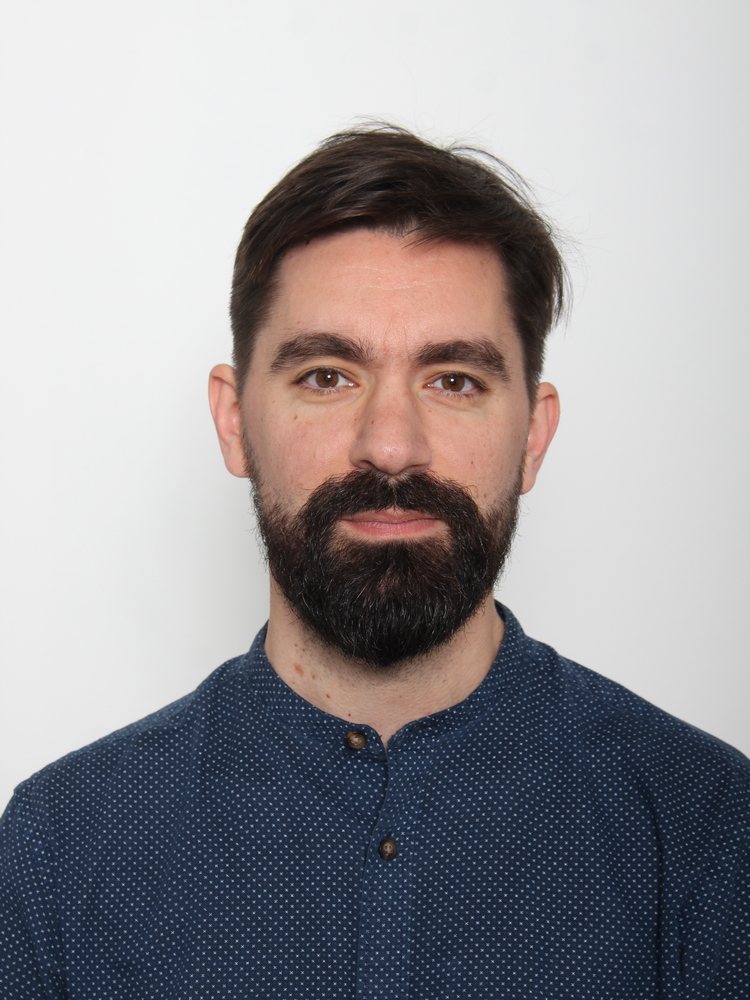
Ivan Kraus is an Associate Professor at the Faculty of Civil Engineering and Architecture Osijek, Josip Juraj Strossmayer University of Osijek, where he also serves as Head of the Laboratory. His research focuses on the seismic behaviour of earthen structures, experimental testing, nonlinear numerical modelling and the structural protection of architectural heritage. He was the principal investigator of the Croatian Science Foundation project RE-forMS, which combined field surveys, material characterisation, experimental testing and numerical analyses of traditional earthen buildings in eastern Croatia. His recent work includes cyclic in-plane testing of rammed earth walls, testing of non-planar wall configurations, identification of characteristic failure mechanisms and the development of nonlinear finite-element models using DIANA and ANSYS. In 2025, he was awarded a Matsumae International Foundation Fellowship and worked as a Visiting Associate Professor at Nagoya City University, Japan, where his research addressed the seismic response and behaviour factors of traditional rammed earth buildings. He is involved in several international research networks and RILEM technical committees related to earthen construction, building conservation and seismic performance assessment. |
|
|
|
Sergio Lagomarsino |
| University of Genoa, Italy | |
“Seismic risk assessment and damage scenarios of residential buildings and churches: an integrated procedure at different scales” |
|
| Lecture within the special session "IT Tools for Seismic Risk Assessment and Emergency Management: IT Tools for Italian Civil Protection" | |
|
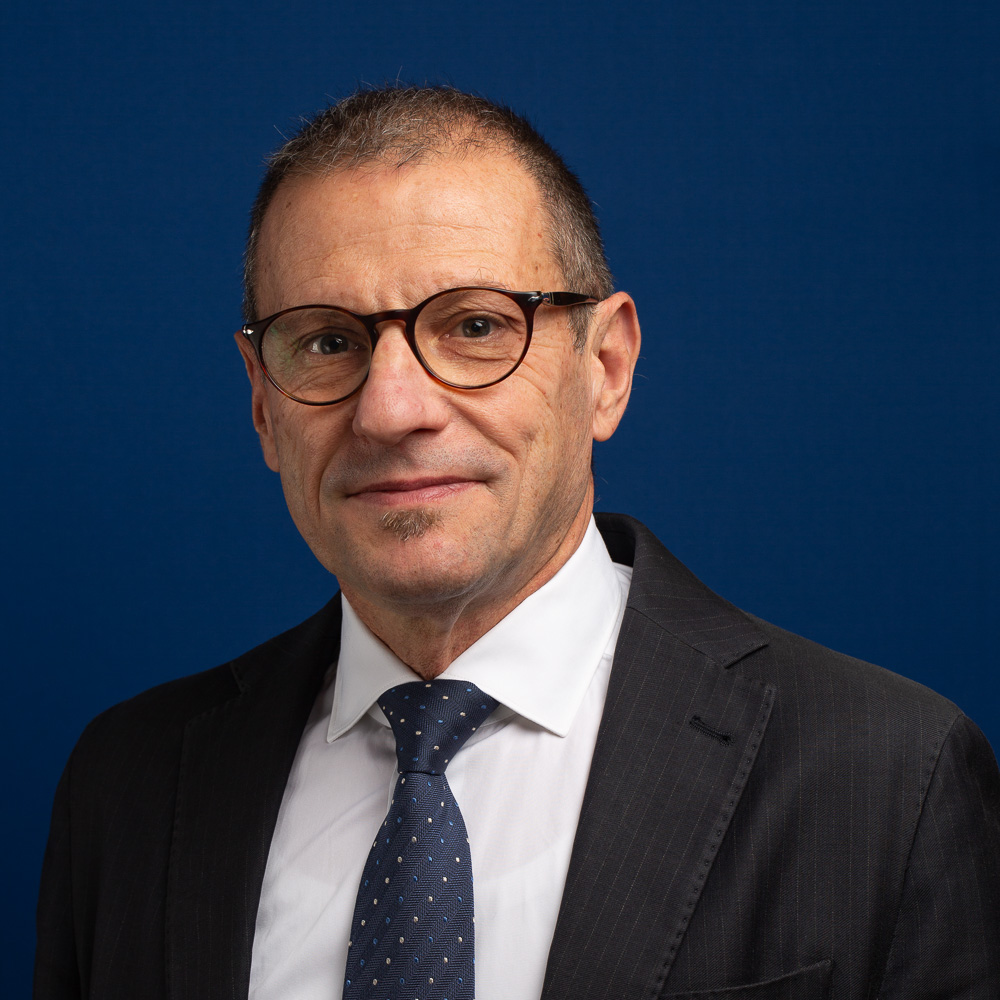
Sergio Lagomarsino is professor of Structural Engineering at the University of Genoa. His main research topics are: seismic assessment of existing structures, nonlinear modelling of masonry buildings, preservation of cultural heritage and historical centres, seismic risk and vulnerability analysis. He has coordinated the European project PERPETUATE on the seismic assessment and protection of cultural heritage assets. At present, he is coordinating the project MARS (Seismic damage and risk maps of the Italian building stock), funded by the Civil Protection Agency and ReLUIS Consortium. He served in the panels for the revision of Eurocode 8, Part 3: “Assessment and retrofitting of buildings”, and for the drafting of the “Italian Guidelines for the assessment and preservation of cultural heritage in seismic areas”. He developed the software program TREMURI, for the nonlinear seismic analysis of masonry buildings, and the Italian survey form for post-earthquake damage assessment of churches. |
|
|
|
Giuseppe Lanzo |
| Sapienza University of Rome, Italy | |
“Liquefaction Assessment of Challenging Soils: When Conventional Methods Fall Short” |
|
|
Giuseppe Lanzo is full professor of geotechnical engineering at Sapienza University of Rome. His research focuses on geotechnical earthquake engineering, specifically on earthquake ground motion characterization, cyclic soil behaviour, seismic site effects and ground response analysis, soil liquefaction, seismic stability of slopes, advanced numerical modelling of geotechnical structures (e.g., earth dams), and seismic microzonation. He has been involved with national committees with the purpose of developing guidelines for seismic microzonation studies. He is member of the national working group appointed to prepare the new edition of the Italian Technical Standards for Dams. He is a member of GEER and was part of the reconnaissance team after the 2009 L’Aquila and the 2016 Central Italy earthquakes. He is member of Technical Committee TC210 - Embankment Dams - and of the TC101 - Laboratory Stress Strain Strength Testing of Geomaterials - of the International Society of Soil Mechanics and Geotechnical Engineering (ISSMGE). |
|
|
|
Saša Mitrović |
| i.t.t. d.o.o., Croatia | |
“Structural Design of Exoskeleton Structure of The Bus Terminal in Rijeka” |
|
|
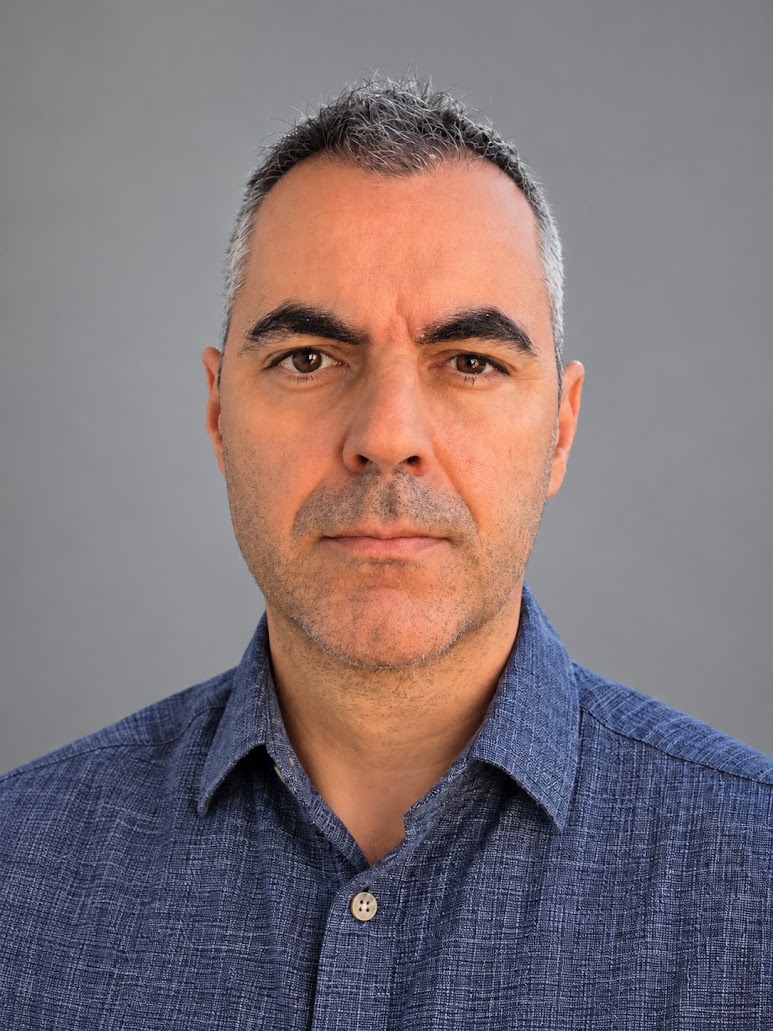
Saša Mitrović is a structural engineer from Rijeka. He earned his master’s and doctoral degrees from the Faculty of Civil Engineering at the University of Rijeka, specializing in structural mechanics with a focus on numerical non-linear seismic analysis. Over the past 20 years, he has worked as a designer on numerous significant projects in Rijeka and throughout Croatia. His work encompasses a wide range of project types and sectors, including industrial facilities, public buildings, residential and commercial developments, as well as tourism and retail centers. For the last ten years, he has also served as a certified reviewer for concrete structures. |
|
|
|
Veronica Pazzi |
| Università degli Studi di Firenze, Italy | |
“The Italian three seismic microzonation levels: some case studies” |
|
|
Dr. Veronica Pazzi received the M.Sc. degree in environmental engineering (with a thesis on geophysical methods applied to geo-archaeological problems) and the Ph.D. degree in civil and environmental engineering (with a thesis on geophysical methods applied to environmental problems) from the University of Firenze (Italy) in 2007 and 2011, respectively. From 2011 to 2021, she was a Post-Doctoral Researcher with the Department of Earth Sciences, University of Firenze. From 2021 to 2024, she was Researcher at the University of Trieste (Italy). Since 2024, she has been an Associate Professor in Applied Geophysics at the University of Firenze and Chair Associate of the UNESCO Chair "Prevention and Sustainable Management of Geo-Hydrological hazards" of the University of Florence. Her research interests mainly include geophysical investigations, especially electrical resistivity and passive seismic methods, applied to engineering geology, applied seismology, and archaeological/cultural heritage problems as well as hazard, vulnerability, and risk assessment. She is a member of the SEG, EAGE, EGU, IAEG Italian Section, AIGEO, and AIGA societies. She is Editor for NHESS, Landslides, and the International Journal of Geophysics, as well as many Special Issues in different journals. She authored or co-authored more than 140 articles in peer-reviewed journals, conference proceedings, and conference abstracts. She is reviewer for many international peer-reviewed journals. Since 2022 up to 2026 she was the Scientific Officer of the EGU NH3—Landslides and Snow Avalanche Hazards subdivision, since 2022 she has been Member of the SEG Near-Surface Geophysics Global Subcommittee, and since 2025 she has been the Elected District 8 Representative in the SEG Council. |
|